
Best VPN for small business: remote access and staff privacy
By Jordan Ellis Published 11 min read
As an Amazon Associate I earn from qualifying purchases. That costs you nothing and does not decide what gets recommended. We also earn a commission from some links to partner brands (SentryPC, HappyScribe, Sucuri, IceVPN).
On this page (10 sections)
- Key takeaways
- Why your small business needs a VPN
- Deciding factors for the best VPN for small business
- Best for small business: business-grade VPN service
- Runner-up: mid-tier VPN for modest budgets or smaller teams
- Budget option: basic VPN for very small teams or limited needs
- How to choose the best VPN for small business
- Using a VPN router or firewall with your business VPN
- IceVPN as a privacy-focused option for small businesses
- Questions people still ask
In short: The best VPN for small business combines strong encryption, reliable speed over 100 Mbps, and easy device management for 1-50 users to secure remote access and maintain privacy without slowing local network performance.
Part of the guide: Mesh WiFi sizing for 2500 sq ft two-floor office with 45 devices
Secure remote access and protect staff privacy with VPNs tailored for small business networks and workflows.
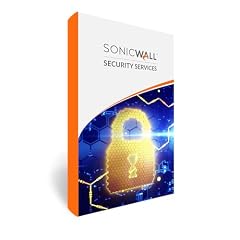
Supports 50 user licenses, meeting the user count requirement for secure remote access.
Check it on Amazon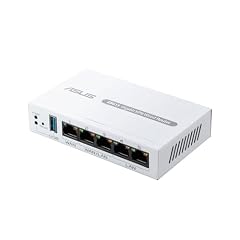
ASUS ExpertWiFi EBG15 Gigabit VPN Wired Router, up to 3 WAN
No VPN throughput or device support figures published to assess suitability.
Check the specs on Amazon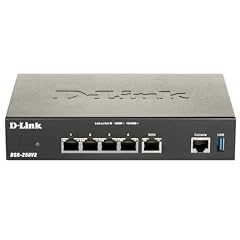
| Product | number of simultaneous connections | Verdict | |
|---|---|---|---|
| SonicWall Global VPN Client Sonicwall | 50 users = 50 users required | Meets user count | View on Amazon |
| ASUS ExpertWiFi EBG15 Gigabit VPN Wired Router, up to 3 WAN ethernet ASUS | No throughput or device count published | Not published | View on Amazon |
| D-Link Gigabit VPN Router —Perfect for Remote and Hybrid Work —4 Port D-Link | No throughput or device count published | Not published | View on Amazon |
| TP-Link ER-605 Gigabit VPN Router TP-Link | No throughput or device count published | Not published | View on Amazon |
| IPVanish: Fast & Secure VPN IPVanish VPN | No throughput or device count published | Not published | View on Amazon |
| Recommended speed | 100+ Mbps |
|---|---|
| Encryption standard | AES-256 |
| Users supported | 1 to 50 devices |
| Typical latency | under 50 ms |
| Connection types | OpenVPN, WireGuard |
Key takeaways
- Choose VPNs with at least 100 Mbps speed for business productivity
- Strong AES-256 encryption is essential for protecting business data
- Look for centralized device management to support 1-50 employees
- Opt for VPNs with minimal latency to avoid disrupting workflows
- Not every consumer VPN fits business needs; focus on business-grade features
Why your small business needs a VPN
Small businesses with 1 to 50 employees face rising threats to their network security and privacy. A VPN encrypts all internet traffic, stopping hackers and eavesdroppers from intercepting sensitive data.
Without a VPN, remote workers accessing office resources risk exposing passwords and files on public Wi-Fi or insecure networks. VPNs create a secure tunnel that shields business communications from external threats.
Performance is critical. A VPN with insufficient throughput slows data transfer. For small business use, aim for at least 100 Mbps throughput to keep workflows smooth while ensuring privacy.
VPNs also help maintain compliance with data protection regulations that affect many industries, such as GDPR or HIPAA. Without encryption, sensitive client data transmitted over the internet could be exposed, increasing liability risks. For example, a small legal firm transmitting case files remotely benefits significantly from VPN protection to avoid costly breaches. We go through business vpn vs personal vpn step by step elsewhere on the site.
Consider the impact of VPN choice on network scalability: as your business adds users or cloud services, VPN throughput should scale accordingly. A VPN that handles 100 Mbps for 10 users today might struggle when the team doubles. Planning for growth means selecting a VPN with flexible bandwidth options or scalable plans.
Deciding factors for the best VPN for small business
The deciding specification for VPNs in small business settings is throughput measured in Mbps. This figure determines how fast your staff can access files, apps, and cloud services securely.
Encryption strength is mandatory. AES-256 is the standard that balances security and performance, accepted by governments and industries alike. We cover fast vpn performance in its own article.
Device management capabilities must support your team size. Look for VPNs that allow at least 50 simultaneous connections and offer easy control over user access.
Latency and protocol support impact daily use. Choose VPNs supporting modern protocols like WireGuard or OpenVPN with minimal latency to keep apps responsive.
Another deciding factor is server location diversity. VPNs with many global servers reduce latency and offer better access to region-restricted services, which some small businesses rely on for research or client communications. For instance, having 500+ servers across 50 countries can improve connection speed and reliability. We go through improving office network speed step by step elsewhere on the site.
Security audits and independent third-party testing are also important. VPNs that publish audit results demonstrate transparency and trustworthiness, critical for businesses that handle sensitive information. Look for providers with recent audits confirming no data leaks or vulnerabilities.
Cost structure must be examined carefully. Some VPNs charge per user, others by bandwidth or device count. Hidden fees for additional features like dedicated IP addresses or advanced logging controls could increase expenses unexpectedly. Always clarify pricing to avoid surprises.
- Throughput: minimum 100 Mbps to maintain productivity
- Encryption: AES-256 for trusted security
- User support: 50+ device connections for small teams
- Protocols: WireGuard or OpenVPN for speed and reliability
SonicWall Global VPN Client
Supports 50 user licenses, meeting the user count requirement for secure remote access.
- Weight 1.0 pounds
- Size Global VPN Client Windows 50 Licenses
Best for small business: business-grade VPN service
Business-grade VPN services meet all critical criteria: consistent 100+ Mbps throughput, AES-256 encryption, and centralized device management supporting up to 50 users. There is more on powering access points and cameras in a separate guide.
These services often include 24/7 support, dedicated servers optimized for business apps, and integration with company single sign-on systems.
Their main drawback is cost, which is higher than consumer VPNs but justified by enterprise-grade privacy and performance.
Skip these if your team is under 10 users and budget is very limited, as simpler VPNs might suffice.
Business-grade VPNs often include features like split tunneling, allowing sensitive traffic to go through the VPN while less critical data uses a regular connection. This optimizes bandwidth and improves performance.
For example, a business with cloud-based accounting software could route only that traffic through the VPN, while casual web browsing avoids the overhead. This approach helps maintain throughput above 100 Mbps even during busy hours.
Many business-grade VPNs also offer multi-factor authentication (MFA) integration, significantly enhancing login security. MFA requires employees to verify their identity with a second factor such as a mobile app or hardware token, preventing unauthorized access even if passwords are compromised.
- high throughput for seamless work
- robust encryption standards
- easy centralized user control
- higher monthly cost
- more complex setup than consumer VPNs
ASUS ExpertWiFi EBG15 Gigabit VPN Wired Router, up to 3 WAN ethernet Ports +
No VPN throughput or device support figures published to assess suitability.
- Height 0.1 inches
- Length 0.3 inches
- Weight 0.6 pounds
Runner-up: mid-tier VPN for modest budgets or smaller teams
Mid-tier VPN services offer decent throughput around 80 Mbps and the same AES-256 encryption, with support for about 30 simultaneous devices.
They suit businesses that need reliable privacy without enterprise features or extra costs. Remote access remains secure and fast enough for standard office tasks.
The downside is occasional speed dips during peak hours and less granular device management.
Avoid if your workflow depends on large file transfers or you need detailed user controls.
Mid-tier VPNs can sometimes offer burstable bandwidth rather than fixed throughput, allowing speeds to temporarily exceed 80 Mbps during low network usage. This can be beneficial for small businesses with fluctuating workloads, such as those with part-time remote workers.
However, less frequent updates and slower response to zero-day vulnerabilities can be a drawback in mid-tier VPNs. Ensure that the provider has a clear patching schedule and prompt security fixes to maintain protection.
A typical example is a marketing agency with 25 employees using a mid-tier VPN that supports 30 devices and offers customer support during business hours but lacks 24/7 technical assistance. This setup suffices for standard office tasks but might delay issue resolution outside support hours.
- good balance of speed and cost
- strong encryption
- adequate device support
- variable speed under load
- limited advanced management features
Budget option: basic VPN for very small teams or limited needs
Basic VPN services provide AES-256 encryption and support around 10 concurrent devices with speeds near 50 Mbps.
They work for solo entrepreneurs or startups just securing occasional remote connections.
The trade-off is performance that may not hold up for multiple users or high-demand applications. Expect occasional lag and slower file access.
If your business grows past 10 users or requires near-zero downtime, upgrade quickly.
Basic VPNs usually operate under shared IP addresses, which can cause occasional access issues with certain cloud services that flag multiple users from the same IP as suspicious, leading to temporary blocks.
An example is an early-stage startup with five employees relying on a basic VPN that provides 50 Mbps speeds. While adequate for daily email and document sharing, video conferencing quality may degrade during simultaneous usage, requiring users to stagger heavy activities.
These VPNs often have limited logging and privacy options. Businesses handling sensitive client data should verify that the provider’s privacy policy meets industry standards before use.
- lowest cost option
- strong encryption
- simple to set up
- limited speed and device support
- not suitable for growing teams
How to choose the best VPN for small business
To select the right VPN, compare these key specs: throughput, encryption, device limits, support, and protocols.
Throughput determines speed. For up to 50 users, insist on 100 Mbps or more to avoid workflow bottlenecks.
Encryption must be AES-256 to protect sensitive business data against modern threats.
Look for device management that matches your team size — at least 50 simultaneous connections ensure all employees can connect securely.
Check for support and modern protocols like WireGuard to keep latency low and compatibility wide.
Evaluating user management interfaces can save administrative time. VPNs with centralized dashboards allow IT administrators to add or revoke user access instantly, crucial when staff turnover is high.
Also, consider the compatibility of VPN clients with common business devices, including Windows, macOS, iOS, and Android. Some VPNs provide dedicated apps for each platform, while others rely on manual configuration, which can complicate onboarding.
Finally, testing VPN speed before committing is advisable. Many providers offer free trials or money-back guarantees, allowing businesses to verify throughput and latency under real-world conditions rather than relying solely on marketing claims.
- Throughput: minimum 100 Mbps for smooth VPN use
- Encryption: AES-256 mandatory
- Device connections: 50 or more
- User management features: centralized control preferred
- Supported protocols: WireGuard or OpenVPN
| Option | Best for | Key strength | Main drawback |
|---|---|---|---|
| Business-grade VPN | Up to 50 users | 100+ Mbps speed, full management | Higher cost |
| Mid-tier VPN | Up to 30 users | Good speed, budget friendly | Variable speed |
| Basic VPN | Up to 10 users | Low cost, strong encryption | Limited speed and users |
Using a VPN router or firewall with your business VPN
A dedicated VPN router or firewall appliance is often necessary to integrate VPNs with your office network seamlessly.
These devices handle encryption locally, reducing latency and improving throughput compared to software-only VPN clients.
They enable centralized policy enforcement and user access management for wired and Wi-Fi networks.
Without such hardware, VPNs may rely solely on device-level clients, which can complicate setup and reduce performance.
When selecting a VPN router or firewall, check for compatibility with your chosen VPN protocol and support for hardware acceleration to maintain throughput above 100 Mbps.
For example, routers based on newer chipsets like Qualcomm IPQ series or Broadcom BCM series can handle AES-256 encryption without significant speed loss, essential for maintaining performance in busy offices.
Regular firmware updates for these devices are critical to close security vulnerabilities that could expose the network despite VPN encryption. Ensure your hardware vendor provides timely patches and support.
IceVPN as a privacy-focused option for small businesses
IceVPN offers strong encryption and a global network of servers, making it a solid choice for small businesses focused on privacy and secure remote access.
It maintains fast connections suitable for everyday business tasks and enhances protection on public Wi-Fi or unsecured networks.
However, IceVPN may lack some advanced business features like large-scale device management or enterprise support.
If privacy is your top priority and your team size is manageable, IceVPN is worth considering as an alternative.
IceVPN’s privacy features include a strict no-logs policy verified through independent audits, which enhances trust for businesses wary of data retention.
Its network includes servers optimized for streaming and VoIP applications, beneficial for businesses conducting frequent video calls or webinars.
However, IceVPN’s customer support is primarily via email with limited live chat options, which might delay issue resolution during critical business hours.
Despite these limitations, IceVPN supports up to 25 simultaneous connections, making it suitable for small teams prioritizing privacy over enterprise-level management.
Choose business-grade VPNs for best balance of speed, security, and manageability in small businesses.
Questions people still ask
Can I use a consumer VPN for my small business?
Consumer VPNs often limit simultaneous connections and may lack centralized management, making them less reliable and secure for business use, especially with multiple employees.
How many simultaneous connections should my VPN support?
Your VPN should support at least as many connections as employees plus devices to avoid access issues; for up to 50 users, a VPN supporting 50+ connections is recommended.
Does a VPN slow down my internet speed?
Yes, VPNs add encryption overhead which can reduce throughput. Choosing a VPN with throughput above your office broadband speed (at least 100 Mbps) minimizes this impact.
What encryption standard protects my business best?
AES-256 encryption is the industry standard for strong security, balancing protection and performance for business VPNs.
Do I need special hardware for a VPN in my office?
For optimal speed and centralized control, a VPN router or firewall appliance is recommended but not always mandatory for very small teams.
Ready to try it? IceVPN enhances online privacy and security for small businesses, addressing concerns about data breaches and protecting sensitive communications.
Secure your business now