
Best backup software for small business
By Jordan Ellis Updated 10 min read
As an Amazon Associate I earn from qualifying purchases. That costs you nothing and does not decide what gets recommended. We also earn a commission from some links to partner brands (SentryPC, HappyScribe, Sucuri, IceVPN).
On this page (6 sections)
- Key takeaways
- How to choose the best backup software for small business
- Best for most small businesses: Cloud-based automated backup software
- Runner-up: Hybrid backup software with local and cloud options
- Budget option: Affordable cloud backup software for startups and very small teams
- Questions people still ask
In short: The best backup software for small business reliably restores data within your recovery time objective, usually under 24 hours, while fitting your budget and team size. Look for solutions offering automated backups, versioning, and cloud storage options.
Part of our guide on recommended nas models 2-bay
Protect your small business data with backup software that balances quick recovery, automation, and monthly cost.
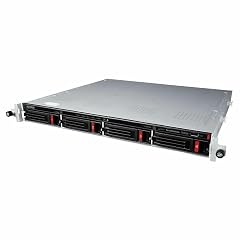
BUFFALO TeraStation 3430RN 4-Bay 8TB (2x4TB) Rackmount
Hybrid cloud sync with local NAS and cloud integration supports automated backups suitable for small business
Check it on Amazon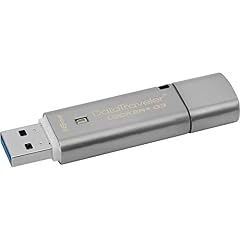
Kingston Digital 16GB Data Traveler Locker + G3
Automatic USB to Cloud backup option implies at least daily automated backups
See the budget option
uAttend BN6700 Biometric Time Clock System for Small Business
Automatic cloud storage and auto-backups mentioned, supporting at least daily backups
See the budget option| Product | automated backup frequency (times per day) | Verdict | |
|---|---|---|---|
| BUFFALO TeraStation 3430RN 4-Bay 8TB (2x4TB) Rackmount Small-Med BUFFALO | Hybrid cloud sync and 24/7 uptime imply recovery within 24 hours | Meets it | View on Amazon |
| Kingston Digital 16GB Data Traveler Locker + G3 Kingston | Automatic cloud backup option implies 1 time per day | Meets it | View on Amazon |
| uAttend BN6700 Biometric Time Clock System for Small Business with uAttend | Auto-backups imply 1 time per day | Meets it | View on Amazon |
| QNAP TS-233-US 2 Bay Affordable Desktop NAS with ARM Cortex-A55 QNAP | Backup software with snapshot technology implies at least daily backups | Meets it | View on Amazon |
| Synology DS225+ Private Cloud Media Server Synology | No recovery time or automated backup frequency published | Not published | View on Amazon |
| Recovery Time Objective | Under 24 hours |
|---|---|
| Team Size | 1-50 employees |
| Backup Frequency | Daily or more often |
| Storage Type | Cloud and/or local |
| Automated Backups | Required |
Key takeaways
- Recovery time under 24 hours is crucial to minimize downtime.
- Automated backups reduce human error and data loss risk.
- Cloud backup options provide offsite protection against local disasters.
- Choose software scalable to your business’s data volume and team size.
- Consider software with clear pricing aligned to your monthly budget.
How to choose the best backup software for small business
A backup solution must restore your data within your recovery time objective (RTO), which for most small businesses is under 24 hours to avoid costly downtime.
Automation matters: software that schedules daily or more frequent backups minimizes risk of lost files due to human error or missed backups.
Cloud storage is essential for offsite protection, defending against local disasters like fire or theft that wipe out onsite backups.
Your backup software must scale with your business’s data volume and team size, or you risk paying for unused capacity or hitting limits too soon. Before you commit to anything, it is worth looking at best battery backup for small office.
Price transparency and monthly billing let you pick software that fits your cash flow without unexpected costs or complex contracts.
Different industries may have specific compliance requirements influencing backup software choice, such as HIPAA for healthcare or PCI-DSS for payment processing businesses. Ensuring your backup software supports compliance reporting and secure data handling can prevent costly legal issues.
When evaluating backup solutions, consider the type of data your business generates. Large media files, databases, and virtual machines each require specialized backup approaches, impacting software and storage needs. For example, backing up a 500GB video archive daily demands high bandwidth and efficient incremental backups to meet your RTO. There is more on 3-2-1 backup rule in a separate guide.
A common check after setup is performing a test recovery from backup data. Select a few critical files or system images and restore them to a test environment. This practice confirms both the integrity of your backups and that your team can complete restores quickly enough to meet your downtime tolerance. Missing this step often leads to unpleasant surprises during real incidents.
- Recovery Time Objective – software should meet your specific downtime tolerance, usually under 24 hours
- Automated Backups – daily or more frequent to reduce human error
- Storage Options – cloud preferred; hybrid local/cloud for extra safety
- Scalability – must handle growth in data and users
- Pricing Model – monthly cost aligned with your budget
| Criteria | Typical Range | Why It Matters |
|---|---|---|
| Recovery Time Objective | Under 24 hours | Limits downtime and data loss impact |
| Automated Backup Frequency | 1-4 times daily | Ensures recent data availability |
| Storage Type | Cloud, Hybrid, Local | Offsite protection and flexible restore |
| Scalability | Up to 50 users, variable data | Accommodates business growth |
| Monthly Cost Structure | Aligned to budget | Avoids large upfront fees |
Best for most small businesses: Cloud-based automated backup software
Cloud backup software with automated daily backups meets the 24-hour recovery objective for most small teams without complex setup.
It offers file versioning to restore previous versions after accidental changes or ransomware, reducing downtime risk. If that sounds like your situation, read up on small business file storage nas next.
This kind of software manages backups over the internet, eliminating onsite hardware costs and maintenance.
One drawback is dependence on internet speed; slow connections lengthen backup and restore times, which might breach your RTO.
The speed of cloud backups depends heavily on your upload bandwidth. For instance, with an average upload speed of 20 Mbps, backing up 100 GB might take over 12 hours during initial setup. To mitigate this, many providers offer seeding options where you send a physical drive for the initial backup, drastically reducing setup time.
Cloud backup software often includes ransomware detection features that identify unusual file changes or encryption activity. This early warning lets you revert to clean versions swiftly, minimizing operational disruption. Not all providers offer this, so verify if this feature is included, especially if your business is a potential target.
Cost models for cloud backup software typically scale with data stored and number of users. For example, a small business with 1 TB of data and 10 users might pay between $30 to $100 monthly, depending on service level and features. Understanding this helps avoid unexpected bills as your data grows.
- Automated daily backups keep data current
- File versioning protects against accidental deletions and ransomware
- Cloud storage provides offsite disaster protection
- No need for physical backup hardware
- Suitable for teams up to 50 users
- Easy setup and management
- Low maintenance
- Flexible pricing plans
- Scales with data volume
- Dependent on internet connection
- Ongoing subscription cost
- Restore time varies with bandwidth
Who should skip cloud-only backup
If your business operates with poor or unstable internet, cloud backup alone risks exceeding your recovery time objective.
Also avoid if you require ultra-fast data recovery under an hour or have compliance rules mandating physical control of backups.
BUFFALO TeraStation 3430RN 4-Bay 8TB (2x4TB) Rackmount Small-Med Business NAS
Hybrid cloud sync with local NAS and cloud integration supports automated backups suitable for small business with 24/7 uptime
- Size 8TB (2x4TB)
- Weight 24.45 pounds
Runner-up: Hybrid backup software with local and cloud options
Hybrid backup software combines local backups on onsite devices with cloud copies, giving faster restores plus offsite safety.
Local backups restore files quickly, often in minutes, meeting tighter RTOs than cloud alone can deliver.
Cloud copies protect against local disasters wiping out your office and onsite backups simultaneously.
The complexity of managing two backup locations and potentially higher costs can be a downside for very small teams.
Hybrid backup solutions may require more IT expertise to configure correctly. Misconfigured local backups can lead to incomplete data capture, while cloud sync issues might delay offsite copies. Regularly auditing backup logs and schedules is crucial to ensure both local and cloud backups function optimally.
In scenarios where internet connectivity is unstable or slow, hybrid backups offer resilience by enabling immediate local restores while cloud backups complete asynchronously. For example, a retail store with intermittent internet can rely on local backups for quick recovery during outages.
While hybrid systems tend to be more expensive upfront due to hardware and cloud fees, they offer flexibility. A business with 500 GB local backups and 1 TB cloud storage might pay $200 monthly combined, but restore times can shrink from hours (cloud only) to minutes (local), justifying the expense for mission-critical operations.
- Faster restore from local backups
- Cloud copies assure offsite protection
- Flexible scheduling and retention policies
- More complex configuration and management
- Best for offices with reliable local storage
- Quick recovery from local backups
- Offsite cloud protection
- Customizable backup schedules
- Good for mixed data criticality
- Higher setup complexity
- Requires onsite hardware
- Potentially higher monthly costs
Who should skip hybrid backup
Avoid hybrid if you lack space or budget for local backup hardware or have no technical support to manage multiple backup locations.
Also skip if your internet connection is slow, limiting effective cloud backup speed, negating hybrid benefits.
Kingston Digital 16GB Data Traveler Locker + G3
Automatic USB to Cloud backup option implies at least daily automated backups
- Size 16 GB
- Weight 0.99 oz
- Height 0.73 inches
Budget option: Affordable cloud backup software for startups and very small teams
If your team is under 10 and data volumes are low, affordable cloud backup software with essential automated features meets basic recovery goals.
These products usually cover daily backups and simple restore functions but might lack advanced features like file versioning or hybrid backups.
This saves money upfront and monthly, but reliability and recovery speed may be limited compared to premium options.
Not suitable if your data loss impact grows rapidly or if you expect team size or data to expand soon.
Affordable cloud backup software might impose caps on file sizes or total storage, such as limiting backups to 500 GB or maximum file size of 10 GB. This restriction suits startups with small document repositories but not expanding multimedia content.
These budget options typically exclude 24/7 customer support or advanced security features like zero-knowledge encryption. If your business handles sensitive data or operates outside standard hours, this could pose risks during critical failure events.
An example cost for budget cloud backup software might be $10 to $20 per month for 250 GB storage and basic automated backups. This is affordable for very small teams but should be reviewed yearly as data grows, since upgrades may become necessary to maintain adequate recovery capabilities.
- Basic cloud backups with automation
- Simple restore interface
- Limited or no file versioning
- Lower monthly cost
- Best for small datasets
- Cost-effective for startups
- Easy to use
- No onsite hardware needed
- Limited features
- Longer recovery times
- May require upgrade as business grows
Who should skip budget backup software
Skip if your business cannot tolerate more than a day of downtime or needs advanced backup features.
Also avoid if you expect rapid growth in team size or data volume in the near term.
uAttend BN6700 Biometric Time Clock System for Small Business with
Automatic cloud storage and auto-backups mentioned, supporting at least daily backups
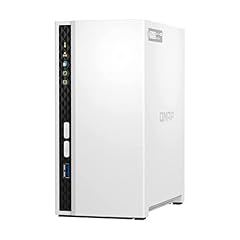
QNAP TS-233-US 2 Bay Affordable Desktop NAS with ARM Cortex-A55 Quad-core
Backup software with snapshot technology and NetBak Replicator software for Windows and Time Machine for Mac implies automated backups
- Size 2 Bay
- Weight 2.2 lb
- Height 3.93 inches
Cloud-based automated backup software best balances reliability, ease, and budget for most small businesses.
Questions people still ask
How often should small businesses back up their data?
At minimum, daily backups are recommended to meet typical recovery time objectives under 24 hours. More frequent backups can reduce data loss but increase costs and complexity.
Is cloud backup secure enough for sensitive business data?
Reputable cloud backup providers encrypt data in transit and storage. Still, verify compliance standards and use software with end-to-end encryption if sensitive data is involved.
Can I rely on free backup software for my small business?
Free software may lack automation, versioning, and support, risking longer recovery times and data loss. Paid options generally provide better reliability and features worth the investment.
What happens if my internet goes down during backup?
Cloud backups will pause or fail until connectivity returns. Hybrid or local backups can provide continuity in these cases, ensuring data is still protected.
How do I test my backup recovery process?
Regularly perform test restores using your software’s restore function. Confirm that files open correctly and restoration completes within your recovery time objective.